
Hormone Therapy for Men vs Women: Key Differences Guide Therapy Services
Hormone therapy for men vs women looks different by design, because the underlying biology, the target symptoms, and the monitoring needs are not the same. Women are most commonly treated for hormonal shifts tied to menopause, while men are evaluated for testosterone deficiency only after blood work confirms consistently low levels alongside compatible symptoms. Anyone using injectable hormone medications should also ask their care team about safe sharps disposal, since FDA guidance recommends placing used needles in an appropriate sharps container immediately after use.
A thoughtful hormone therapy program begins with an individual evaluation rather than a standard protocol applied to every patient. Symptoms such as fatigue, sleep disruption, reduced sexual function, hot flashes, or changes in mood can have many causes. Treatment should be considered only after a provider reviews the patient’s symptoms, medical history, medications, laboratory findings, risk factors, and personal goals.
Although menopausal hormone therapy and testosterone replacement therapy are often discussed side by side, they address different clinical situations. Understanding those differences can help patients form realistic expectations and make informed decisions with their healthcare providers.
Hormone Therapy for Men vs Women: How the Underlying Needs Differ
Hormonal changes during menopause
Menopause occurs after a woman has gone 12 consecutive months without a menstrual period when no other medical explanation is present. Before menopause, many women experience perimenopause, a transitional stretch during which ovarian hormone production and menstrual cycles become less predictable.
Changes in estrogen can contribute to:
- Hot flashes
- Night sweats
- Sleep disruption
- Vaginal dryness
- Pain during sex
- Urinary symptoms
- Mood changes
- Accelerated bone loss
The transition is not identical for every patient. Some women have few symptoms, while others experience symptoms that meaningfully affect work, relationships, sleep, and daily functioning. Menopausal hormone therapy can be highly effective for hot flashes, night sweats, and genitourinary symptoms, and it can also help slow bone loss while treatment continues. Whether it is appropriate depends on the patient’s age, time since menopause, medical history, treatment goals, and individual risk factors.
Testosterone changes in men
Testosterone levels may gradually decline with age, but an age-related decrease by itself does not establish testosterone deficiency. Obesity, sleep disorders, certain medications, chronic illnesses, pituitary conditions, testicular disorders, and other health factors can also lower testosterone or produce similar symptoms.
Possible symptoms of testosterone deficiency include:
- Reduced sexual desire
- Fewer spontaneous erections
- Erectile difficulties
- Reduced muscle mass
- Low energy
- Loss of body hair
- Reduced testicular volume
- Infertility
- Low bone density
- Unexplained anemia
Symptoms such as fatigue, weight gain, poor concentration, and low mood are nonspecific. They can occur with thyroid disease, depression, sleep apnea, medication effects, anemia, diabetes, and many other conditions, which is why testosterone treatment should never be prescribed on symptoms alone.
How Hormonal Imbalances Are Diagnosed
Diagnosing menopause
For otherwise healthy women over 45 with typical symptoms and changing menstrual cycles, menopause or perimenopause is generally a clinical diagnosis. Routine estrogen or follicle-stimulating hormone testing is often unnecessary because hormone levels can fluctuate considerably during the transition.
Testing may be appropriate when:
- Symptoms begin unusually early
- The patient is younger than expected for menopause
- Menstrual history is unavailable or difficult to interpret
- Another endocrine or medical condition is suspected
- Symptoms do not fit the usual menopausal pattern
Treatment decisions should weigh symptom severity, quality of life, personal preferences, and medical risk factors rather than relying on a single hormone measurement.
Diagnosing testosterone deficiency
The American Urological Association uses a total testosterone level below 300 ng/dL as a reasonable cutoff supporting a diagnosis. A diagnosis, however, should be made only when low levels are accompanied by compatible symptoms or signs.
Testing generally includes two total testosterone measurements taken on separate mornings, since testosterone varies throughout the day and can be temporarily affected by illness, inadequate sleep, caloric restriction, and certain medications. Depending on the results and the patient’s history, additional testing may include:
- Luteinizing hormone
- Prolactin
- Follicle-stimulating hormone
- Sex hormone-binding globulin
- Free testosterone in selected cases
- Complete blood count
- Fertility evaluation
- Tests for possible underlying conditions
A low number should prompt a careful evaluation, not an automatic prescription. Confirming a diagnosis usually relies on accurate, same-day lab testing rather than guesswork.
Treatment Goals and Expected Benefits
Hormone Therapy for Men vs Women: Comparing the Goals of Treatment
Because the two conditions are clinically distinct, the goals of treatment differ as well. The sections below outline what each approach is intended to accomplish.
Goals of menopausal hormone therapy
The primary purpose of systemic menopausal hormone therapy is to manage bothersome symptoms, particularly hot flashes and night sweats. It may also improve sleep when disruption is driven by nighttime vasomotor symptoms. Estrogen can also treat vaginal dryness, painful intercourse, and some urinary symptoms associated with genitourinary syndrome of menopause. When symptoms are limited to the vaginal or urinary area, low-dose vaginal estrogen or another local treatment may be more appropriate than systemic therapy.
Hormone therapy helps prevent bone loss and reduces fracture risk while it is being used. That said, the decision to prescribe it should be based on the patient’s overall clinical picture. It should never be marketed as a universal anti-aging treatment or as a routine method of preventing cardiovascular disease or dementia.
Systemic estrogen stimulates the endometrium, the lining of the uterus. In a patient with an intact uterus, using systemic estrogen without adequate endometrial protection can raise the risk of endometrial hyperplasia and endometrial cancer, so a progestogen is generally included for patients with a uterus who use systemic estrogen. Patients who have had a hysterectomy usually do not require a progestogen solely for endometrial protection. The exact regimen should be selected by a qualified healthcare provider, since the appropriate medication, dose, and schedule can vary.
Goals of testosterone therapy
Testosterone therapy is intended to restore testosterone to an appropriate physiologic range in men who have compatible symptoms and consistently low laboratory measurements. Potential benefits may include improvement in:
- Sexual desire
- Some aspects of erectile function
- Anemia in certain patients
- Lean body mass
- Bone mineral density
- Symptoms specifically related to confirmed deficiency
Results vary. Testosterone is not guaranteed to resolve fatigue, erectile dysfunction, weight gain, depression, or concentration problems, because those symptoms often have multiple contributing causes. Lifestyle factors and underlying conditions still require attention, and sleep apnea, diabetes, obesity, medication effects, alcohol use, cardiovascular disease, and mental health conditions may need separate treatment alongside a testosterone therapy program.
Cardiovascular Safety Considerations
Testosterone and the TRAVERSE trial
The 2023 TRAVERSE trial enrolled 5,246 men ages 45 to 80 who had symptoms of hypogonadism, two testosterone levels below 300 ng/dL, and pre-existing cardiovascular disease or an elevated cardiovascular risk. The trial found that testosterone gel was noninferior to placebo for the primary outcome of major adverse cardiovascular events, which occurred in 7.0% of the testosterone group and 7.3% of the placebo group.
These results are reassuring for appropriately diagnosed men similar to those included in the trial. They should not, however, be interpreted as proof that testosterone is risk-free for every patient or every formulation. The trial also reported higher incidences of atrial fibrillation, acute kidney injury, and pulmonary embolism in the testosterone group. Patients should discuss their cardiovascular history and risk factors with their provider before treatment and report concerning symptoms promptly.
Menopausal hormone therapy and timing
For most healthy women who have bothersome menopausal symptoms and who begin treatment before age 60 or within 10 years of menopause onset, major professional organizations generally consider the benefit-risk balance favorable. That does not mean hormone therapy is universally safe. Risk depends on factors such as:
- Age
- Time since menopause
- Personal and family medical history
- History of blood clots
- Stroke or cardiovascular disease
- Breast or endometrial cancer history
- Liver disease
- Type of hormone used
- Dose
- Route of administration
Starting systemic hormone therapy later in life, or many years after menopause, generally carries greater cardiovascular and thrombotic risk. Treatment should be individualized and periodically reevaluated rather than treated as a lifelong default.
Delivery Methods and Formulations
Menopausal hormone therapy delivery options
Options may include oral estrogen, transdermal estrogen patches, estrogen gels or sprays, vaginal creams, tablets, inserts, or rings, and oral or intrauterine progestogens in appropriate circumstances. Oral and transdermal estrogen are not interchangeable in every patient. Transdermal estrogen avoids first-pass metabolism through the liver and may be preferred for certain patients, including some with elevated risk factors for venous thromboembolism.
Testosterone therapy delivery options
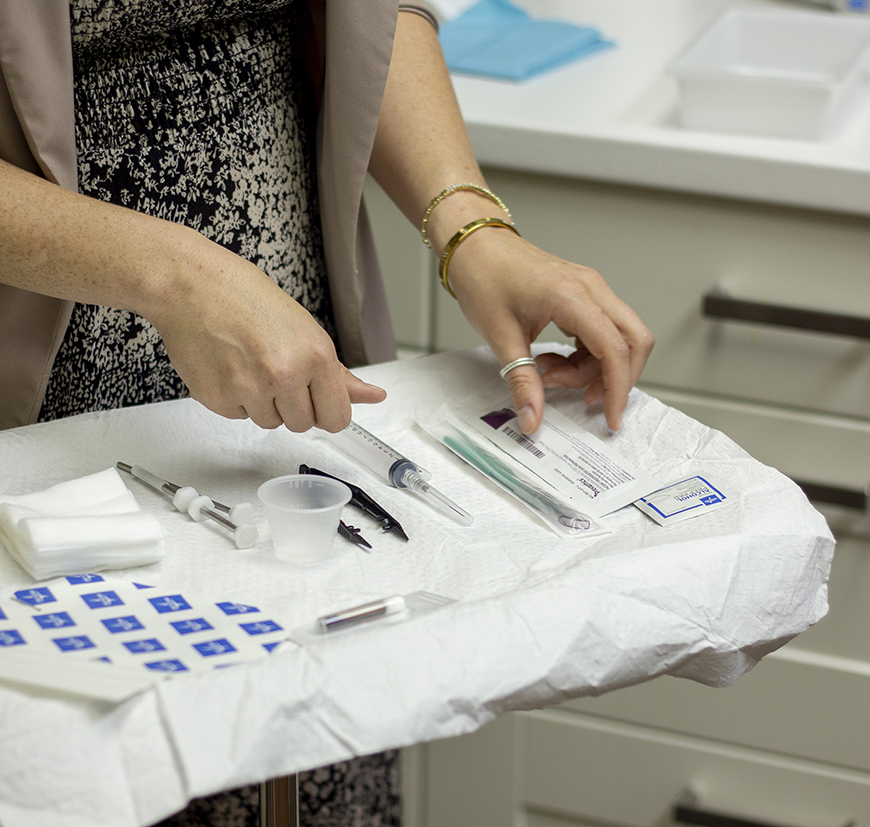
FDA-approved testosterone products may include topical gels, transdermal patches, intramuscular or subcutaneous injections, nasal formulations, buccal systems, implantable pellets such as the hormone pellet therapy offered in some practices, and oral testosterone products.
Each route has advantages, disadvantages, dosing considerations, and monitoring requirements. Injections can produce different peak-and-trough patterns depending on the formulation and schedule, and topical products can transfer testosterone to another person through skin contact unless application precautions are followed. Patients should not select a delivery method based only on convenience or advertising.
FDA-Approved vs. Compounded Hormones
The word “bioidentical” describes a hormone with the same chemical structure as a hormone produced by the body. It does not automatically mean that a product is safer, more natural, or more effective.
Several FDA-approved products contain bioidentical hormones, including certain estradiol and micronized progesterone products, and FDA-approved medications undergo review for manufacturing quality, strength, labeling, safety, and effectiveness. Custom-compounded hormone preparations may be medically appropriate when a patient has a specific need that cannot be met by an approved product, such as an allergy to an ingredient or the need for an unavailable dosage form. Compounded products, though, are not FDA-approved, and evidence supporting their safety and effectiveness is more limited. Major medical organizations generally recommend FDA-approved hormone treatments over routinely compounded preparations when an appropriate approved option is available.
Patients considering pellets or another compounded formulation should ask:
- Is the product FDA-approved or compounded?
- Why is this formulation recommended?
- Can the dose be adjusted or discontinued easily?
- What evidence supports the proposed benefit?
- What happens if side effects develop?
- Which laboratory tests and follow-up visits are required?
- Are comparable FDA-approved options available?
Risks and Monitoring
Risks and monitoring for men receiving testosterone
Elevated hematocrit
Testosterone can increase red blood cell production. An excessive rise in hematocrit can make the blood more viscous and may increase health risks. A complete blood count should generally be obtained before treatment and repeated after therapy begins. If hematocrit reaches or exceeds 54%, guidelines recommend intervention, which may include holding treatment, lowering the dose, changing the formulation, or evaluating contributing conditions such as sleep apnea or hypoxia.
Prostate considerations
Testosterone therapy has not been shown to cause prostate cancer, but prostate health still requires appropriate evaluation. Before treatment, PSA testing is generally considered in men over 40, particularly when clinically appropriate. Subsequent monitoring should be based on age, risk factors, baseline findings, symptoms, and shared decision-making. A new prostate nodule, a substantial PSA increase, or significant urinary symptoms may require urologic evaluation.
Fertility
Exogenous testosterone suppresses luteinizing hormone and follicle-stimulating hormone, which can substantially reduce sperm production and may lead to very low sperm counts or azoospermia. Men who are currently attempting to conceive, or who want to preserve near-term fertility, should discuss this before starting treatment. The AUA recommends against prescribing exogenous testosterone to men who are actively trying to conceive. Alternative approaches may be considered by a reproductive urologist or endocrinologist, depending on the cause of the low testosterone and the patient’s goals.
Other possible adverse effects
- Acne or oily skin
- Fluid retention
- Breast tenderness or enlargement
- Reduced testicular volume
- Worsening of untreated severe sleep apnea
- Changes in mood or libido
- Application-site reactions
- Transfer of topical medication to household contacts
Treatment should be adjusted according to symptoms, testosterone measurements, adverse effects, and clinical response, not left on autopilot.
Risks and monitoring for women receiving menopausal hormone therapy
Blood clots and stroke
Systemic hormone therapy can increase the risk of venous thromboembolism and stroke in some patients. Risk is affected by age, medical history, dose, and route. Transdermal estrogen may carry a lower risk of venous thromboembolism than oral estrogen, although individual evaluation is still necessary.
Breast health
The relationship between hormone therapy and breast cancer depends on the type of therapy and duration of use, and combined estrogen-progestogen therapy and estrogen-only therapy do not have identical risk profiles. Patients should follow age-appropriate breast cancer screening recommendations and report new breast symptoms. Hormone therapy should never replace routine preventive care.
Unexpected bleeding
Bleeding patterns can vary when treatment begins, particularly with certain cyclic regimens. Even so, unexplained or persistent postmenopausal bleeding requires medical evaluation.
Gallbladder and liver considerations
Oral hormone therapy may increase the risk of gallbladder disease, and active liver disease may also affect treatment selection. A provider should review these issues before prescribing systemic therapy.
Testosterone Therapy for Women
Testosterone is naturally present in women, but evidence-based therapeutic use is narrow. The 2019 Global Consensus Position Statement concluded that the only evidence-supported indication for testosterone therapy in women is hypoactive sexual desire disorder in appropriately evaluated postmenopausal women.
Testosterone is not currently supported as a general treatment for:
- Fatigue
- Weight loss
- Depression
- Cognitive enhancement
- Prevention of dementia
- Bone-health improvement
- General anti-aging purposes
When testosterone is prescribed to a woman, the dose should aim to maintain concentrations within the normal physiologic range for premenopausal women. Supraphysiologic dosing, including dosing that cannot be adjusted promptly, should be avoided. Long-term cardiovascular and breast-safety data remain limited, and patients should be informed about that uncertainty.
What a Hormone Evaluation Includes
Membership-based primary care membership gives patients broad access to a provider, unlimited covered office visits, direct communication options, and transparent pricing for services such as laboratory testing, all of which support a more thorough hormone evaluation than a single rushed appointment allows. A hormone evaluation may include:
- Review of symptoms and treatment goals
- Medical and medication history
- Assessment of cardiovascular, cancer, fertility, and clotting risks
- Physical examination when appropriate
- Clinically indicated laboratory testing
- Discussion of FDA-approved and compounded treatment options
- Follow-up monitoring and dose adjustment
This kind of evaluation is available across four Southeast Missouri locations, including Cape Girardeau, Jackson, Poplar Bluff, and Fredericktown. No hormone treatment is appropriate for everyone. The safest plan is one based on a documented indication, realistic goals, informed consent, and continued clinical monitoring.
Frequently Asked Questions
Is hormone therapy safe for women over 60?
Age alone does not automatically rule out hormone therapy, but starting systemic treatment after age 60 or more than 10 years after menopause generally produces a less favorable benefit-to-risk balance. Some women who began treatment earlier may continue beyond 60 after individualized reassessment. Low-dose vaginal estrogen may remain an option for genitourinary symptoms because systemic absorption is low, although patients with complex medical histories should consult their clinicians.
Does testosterone therapy cause infertility?
Testosterone therapy can substantially suppress sperm production and should not be used by men actively attempting to conceive. Recovery after discontinuation may take months and is not identical for every patient. Men concerned about future fertility should discuss sperm banking or fertility-preserving treatment strategies with a qualified specialist before beginning treatment.
What is the difference between bioidentical and synthetic hormones?
Bioidentical hormones have the same chemical structure as hormones produced by the body. Synthetic is a broader term that can describe medications manufactured in a laboratory, including both structurally identical and chemically modified hormones. The more clinically useful distinction is often between FDA-approved and compounded products. FDA-approved bioidentical options are available, and a compounded product is not automatically more natural, safer, or more personalized.
Why is progesterone used with estrogen?
Systemic estrogen can stimulate the uterine lining. In patients with an intact uterus, a progestogen generally protects the lining and lowers the risk of endometrial hyperplasia and cancer. Women who do not have a uterus generally do not need a progestogen solely for this purpose.
What are the most common side effects of testosterone therapy?
Possible side effects include acne, oily skin, fluid retention, breast tenderness, reduced testicular size, decreased sperm production, and elevated hematocrit. Topical products can also transfer testosterone to other people if application precautions are not followed. Side effects should be addressed by reassessing the dose, formulation, diagnosis, and overall treatment plan rather than adding extra medications to counteract a poorly selected dose.
How should injection needles be discarded?
Used needles should be placed in an FDA-cleared sharps container immediately after use. They should never be left loose, recycled, flushed down a toilet, or placed unprotected in household trash. When an FDA-cleared container is unavailable, FDA guidance says that some localities may permit a heavy-duty plastic household container that is puncture-resistant, upright, leak-resistant, and fitted with a tight lid. Disposal rules vary by community, so patients should check with their local health department, waste service, pharmacy, or designated sharps-disposal program.
Take the Next Step
Hormone therapy should begin with an accurate diagnosis, not with assumptions about age, fatigue, weight, or a single laboratory value. Patients can discuss their symptoms, laboratory findings, medical risks, fertility plans, treatment options, and monitoring requirements with a local care team. The goal is not to push every patient toward treatment. It is to determine whether treatment is medically appropriate and, when it is, to build a plan that is measurable, monitored, and tailored to the individual.
Contact EBO MD to schedule a hormone evaluation at a Southeast Missouri location.