
What’s the Difference Between Screening and Diagnostic Testing? Diagnostic Testing
When people search online for diagnostic testing near me, they are often trying to better understand their health and determine whether a medical test is necessary. Medical testing plays a vital role in modern healthcare, helping clinicians detect conditions early, confirm diagnoses, and guide treatment decisions. Two commonly discussed categories of medical tests are screening tests and diagnostic tests. While these terms are sometimes used interchangeably in everyday conversation, they serve different purposes in clinical care.
Understanding the difference between screening and diagnostic testing can help patients make more informed decisions about their health. Each type of test is designed for a specific stage of medical evaluation, and both play important roles in identifying and managing potential health conditions.
In this guide, we will explain what screening and diagnostic testing are, how they differ, when each is typically used, and why access to personalized care can make navigating testing decisions easier.
What Is Screening?
Screening refers to medical tests that are used to identify potential health concerns in people who do not yet show symptoms. These tests are typically recommended for groups of individuals who may have a higher likelihood of developing certain conditions due to factors such as age, family history, or lifestyle.
The goal of screening is to detect possible health issues before symptoms appear, allowing clinicians to monitor or evaluate findings further if needed. Screening tests do not provide a final diagnosis. Instead, they help determine whether additional evaluation may be necessary.
Common characteristics of screening tests include:
• Performed in people without symptoms
• Used to identify possible signs of disease or risk factors
• Often recommended at certain ages or intervals
• May lead to further testing if results are abnormal
Screening helps healthcare providers gather information about a patient’s overall health and risk profile. It is an important tool in preventive care because it can highlight potential issues that might otherwise go unnoticed.
Examples of Screening Tests
There are many types of screening tests used in healthcare today. Some focus on identifying early signs of disease, while others assess general health markers.
Examples of common screening tests include:
• Blood pressure measurement
• Cholesterol testing
• Blood glucose screening
• Certain cancer screenings
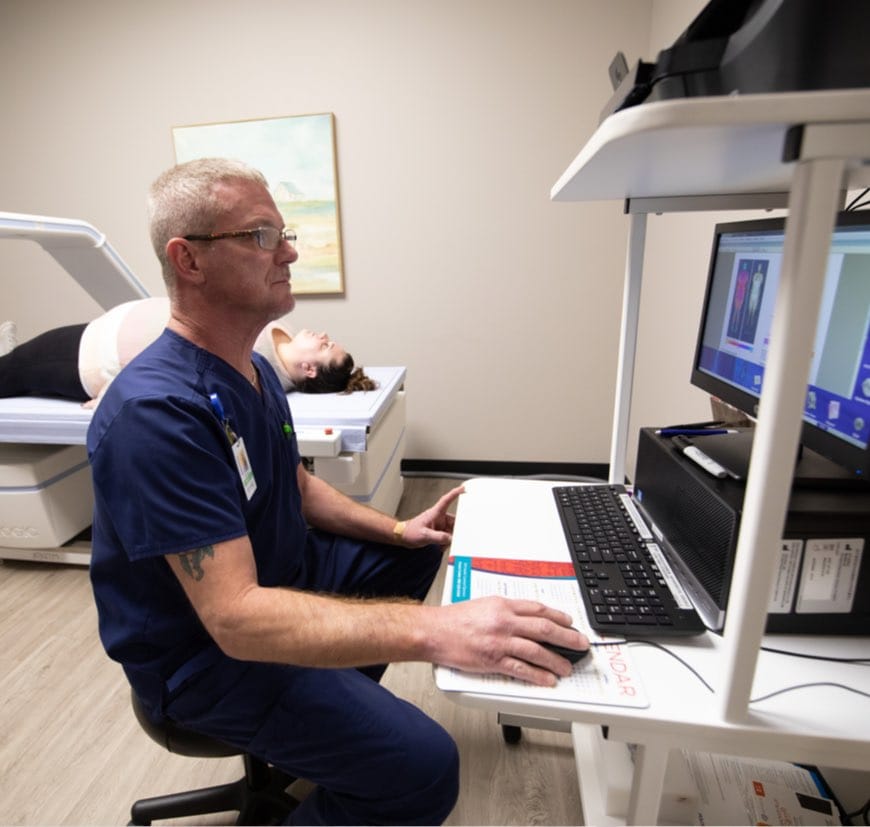
• Bone density screening
• Routine blood panels
These tests help clinicians identify patterns or results that may warrant closer evaluation. If a screening test suggests an abnormal result, a diagnostic test may be recommended to confirm whether a specific condition is present.
What Is Diagnostic Testing?
Diagnostic testing is used when a healthcare provider needs to confirm or rule out a suspected medical condition. Unlike screening tests, diagnostic tests are typically performed when a patient is experiencing symptoms or when a previous screening test indicates that additional investigation is needed.
The purpose of diagnostic testing is to gather detailed medical information that allows a clinician to determine the cause of symptoms or abnormal findings.
Key features of diagnostic testing include:
• Used to confirm or rule out a medical condition
• Often ordered after symptoms appear or after abnormal screening results
• Provides more detailed information than screening tests
• Helps guide treatment decisions
Diagnostic testing allows healthcare providers to better understand what may be happening within the body. These tests are designed to provide specific clinical data that can support a diagnosis and help determine appropriate next steps.
Examples of Diagnostic Tests
Diagnostic testing covers a wide range of medical procedures and laboratory evaluations. The specific tests recommended will depend on the patient’s symptoms, medical history, and physical exam findings.
Examples of diagnostic testing include:
• Advanced laboratory testing
• Imaging studies such as X-rays or ultrasound
• Biopsies
• Endoscopic procedures
• Genetic testing when appropriate
• Specialized blood tests
These tests provide clinicians with detailed information that helps clarify whether a condition is present and how it may be affecting the patient.
Key Differences Between Screening and Diagnostic Testing
Although screening and diagnostic tests may sometimes involve similar tools or laboratory methods, the intent and timing of the tests are what distinguish them.
Below is a simple comparison of the two types of testing.
| Screening Testing | Diagnostic Testing |
|---|---|
| Performed in individuals without symptoms | Performed when symptoms or abnormal findings are present |
| Identifies possible risk or early signs | Confirms or rules out a condition |
| Often part of routine preventive care | Used to determine a specific diagnosis |
| May lead to additional testing | Provides more detailed clinical information |
In many cases, screening is the first step in identifying potential concerns, while diagnostic testing provides the deeper investigation needed to determine the cause.
Why Both Types of Testing Matter
Screening and diagnostic testing work together as part of a broader healthcare strategy. Each serves an important purpose in helping clinicians understand a patient’s health status.
Benefits of screening include:
• Identifying possible health concerns earlier
• Monitoring health markers over time
• Supporting preventive health strategies
• Helping clinicians recognize patterns that may require further evaluation
Benefits of diagnostic testing include:
• Providing detailed information about symptoms
• Confirming whether a medical condition is present
• Helping guide treatment planning
• Allowing clinicians to monitor response to treatment when appropriate
By combining these approaches, healthcare providers can create a more complete picture of a patient’s health and determine the most appropriate next steps.
When Should You Consider Testing?
The decision to pursue screening or diagnostic testing should always be made in consultation with a qualified healthcare professional. Individual health history, symptoms, and risk factors all influence which tests may be appropriate.
You may consider speaking with a healthcare provider about testing if:
• You are experiencing new or persistent symptoms
• You want to establish a baseline for your health markers
• You have a family history of certain conditions
• A previous screening test produced an abnormal result
• You are seeking guidance about preventive care
A clinician can review your health background and recommend appropriate testing based on current medical guidelines and clinical judgment.
The Role of Laboratory Testing in Preventive Care
Laboratory testing is a cornerstone of both screening and diagnostic evaluation. Blood tests, hormone panels, metabolic panels, and other laboratory assessments can provide valuable information about how the body is functioning.
For example, laboratory testing may be used to evaluate:
• Blood sugar levels
• Lipid markers
• Hormonal balance
• Vitamin and nutrient levels
• Inflammatory markers
These insights can help clinicians identify trends, monitor changes over time, and determine whether further diagnostic evaluation is necessary.
Diagnostic Testing and Personalized Health Plans
When diagnostic testing confirms a condition or identifies a specific concern, healthcare providers can develop a personalized plan for the patient. Treatment recommendations may include lifestyle guidance, monitoring strategies, medication when appropriate, or additional procedures.
For some patients, health plans may also include GLP-1 or GLP compounds, which are prescription medications that may be prescribed by qualified clinicians as part of certain treatment plans, including medically supervised weight loss injection protocols when appropriate. These medications are only prescribed after a clinician evaluates the patient and determines whether they may be suitable.
Every patient is different, which is why individualized medical guidance is essential when considering testing or treatment options.
Why Access to Care Matters
One of the biggest challenges many patients face is navigating the healthcare system when they need testing or clinical evaluation. Long wait times, limited appointment availability, and fragmented care can make it difficult to get clear answers.
Access to a healthcare provider who can guide you through both screening and diagnostic testing can make a significant difference. When care is coordinated through a single medical team, patients often benefit from:
• More consistent medical oversight
• Faster access to consultations
• Streamlined testing and follow-up
• A more personalized healthcare experience
Having a trusted healthcare provider who understands your medical history can help ensure that testing decisions are made thoughtfully and appropriately.
Frequently Asked Questions
What is the main difference between screening and diagnostic testing?
Screening tests are used to identify possible health concerns in people who do not have symptoms. Diagnostic tests are used to confirm or rule out a condition when symptoms or abnormal screening results are present.
Does an abnormal screening test mean I have a disease?
Not necessarily. Screening tests identify potential concerns but do not provide a final diagnosis. If a screening result is abnormal, additional diagnostic testing may be recommended to determine the cause.
Are screening tests always necessary?
Screening recommendations vary based on age, medical history, and risk factors. A healthcare provider can help determine which screening tests may be appropriate for you.
How do doctors decide which diagnostic tests to order?
Clinicians consider several factors when recommending diagnostic tests. These include symptoms, physical exam findings, medical history, and results from prior tests.
Can laboratory testing help with weight management plans?
Laboratory testing can help clinicians evaluate metabolic markers and other health indicators that may influence treatment decisions. In some cases, providers may discuss treatment options that include GLP-1 or GLP compounds, which may be prescribed as part of a medically supervised weight loss injection program when appropriate.
How often should I get health screenings?
The recommended frequency of screening depends on factors such as age, risk level, and medical history. Your healthcare provider can recommend a screening schedule that aligns with your individual health needs.
Take the Next Step with EBO MD
Understanding the difference between screening and diagnostic testing is an important step in taking control of your health. Whether you are exploring preventive care or seeking answers about symptoms, having access to a knowledgeable healthcare provider can make the process clearer and more efficient.
At EBO MD, patients receive personalized care through a membership-based healthcare model designed to make medical services more accessible. Our team provides in-office consultations, testing, surgery, and a range of medical procedures in a streamlined environment focused on patient care.
Because the practice operates through a membership structure, patients can access care without co-pays or deductibles, helping simplify the healthcare experience. With direct access to primary care services and affordable medication options, EBO MD is committed to helping patients pursue better health with fewer barriers.
If you have been searching for diagnostic testing near me or want guidance on screening, evaluation, or personalized care plans, the team at EBO MD can help.
Contact us to learn more about membership options, schedule a consultation, and explore how direct primary care can support your long-term health.