
What Is a DEXA Scan Used for in Weight Loss and Health Tracking? Medical Imaging
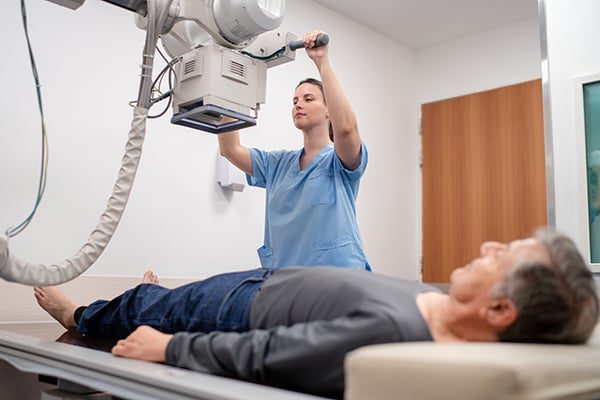
Understanding your body goes far beyond what the scale can tell you. Today, more people are turning to advanced diagnostic tools to better understand their health, and one of the most informative options available is a DEXA scan. DEXA scan uses have expanded significantly in recent years, offering valuable insights into body composition, bone density, and overall health trends. Whether you are focused on weight loss, fitness performance, or long-term wellness, this technology provides a data-driven approach to tracking progress.
Unlike traditional methods such as BMI or weight alone, a DEXA scan delivers a detailed breakdown of fat mass, lean tissue, and bone health. This makes it especially useful for individuals who want a clearer picture of their body and a more personalized strategy for improving it.
What Is a DEXA Scan Used for in Modern Healthcare?
A DEXA scan, short for dual-energy X-ray absorptiometry, is a non-invasive imaging test that uses low-dose X-rays to assess different components of the body. Originally developed to evaluate bone density, it is now widely used for body composition analysis as well.
In modern healthcare settings, DEXA scans are used for several purposes:
- Measuring bone mineral density to assess bone health
- Evaluating body fat percentage and distribution
- Tracking lean muscle mass
- Monitoring changes over time for health and fitness goals
The scan works by sending two X-ray beams at different energy levels through the body. These beams are absorbed differently by bone, fat, and lean tissue, allowing the system to calculate precise measurements.
Because of its ability to differentiate between tissue types, DEXA is considered one of the most detailed body composition tools available in a clinical setting. It is commonly used by healthcare providers, fitness professionals, and individuals who want objective data to guide their health decisions. At EBO MD, this type of diagnostic testing is available as part of a comprehensive, patient-centered approach to care.
How DEXA Scans Help with Weight Loss and Body Composition
Weight loss is often measured using a scale, but weight alone does not tell the full story. A person can lose weight while also losing muscle or gain weight while improving body composition. This is where DEXA scans become particularly valuable.
A DEXA scan provides a comprehensive breakdown of:
- Total body fat percentage
- Visceral fat levels
- Lean muscle mass
- Regional fat distribution
This level of detail allows individuals and healthcare providers to make more informed decisions about nutrition, exercise, and medical interventions.
For example, individuals using GLP-1 or GLP compounds as part of a weight loss injection plan may experience changes in both fat and lean mass. A DEXA scan helps track these changes over time, ensuring that weight loss is primarily coming from fat rather than muscle.
Some key benefits of using DEXA scans for weight loss tracking include:
- Identifying whether fat loss is occurring in targeted areas
- Monitoring muscle preservation during calorie restriction
- Evaluating the effectiveness of a fitness or nutrition program
- Providing objective data to adjust treatment plans
Rather than relying on guesswork, DEXA scans offer measurable insights that support a more strategic approach to weight loss and health optimization.
Common DEXA Scan Uses for Fat Loss Tracking
When it comes to fat loss, DEXA scans are used in several practical ways to monitor progress and guide decision-making.
Common uses include:
- Establishing a baseline before starting a weight loss program
- Tracking changes in body fat percentage over time
- Measuring visceral fat, which is associated with metabolic health risks
- Comparing regional fat distribution, such as abdominal versus peripheral fat
- Evaluating the impact of diet, exercise, or weight loss injection protocols
This information can be especially helpful for individuals who are not seeing expected changes on the scale. In some cases, fat loss may be occurring even if overall weight remains stable due to increases in lean muscle mass.
DEXA scans also allow for more precise goal setting. Instead of focusing solely on pounds lost, individuals can aim for improvements in body composition, which may better reflect overall health and fitness.
DEXA vs BMI: Which Measurement Is More Accurate?
Body mass index, or BMI, has long been used as a simple way to categorize weight status. However, BMI has significant limitations because it does not distinguish between fat and muscle.
For example:
- A muscular individual may be classified as overweight based on BMI
- Someone with a normal BMI may still have a higher body fat percentage
- BMI does not provide information about fat distribution or bone health
DEXA scans offer a more detailed and individualized assessment. By measuring actual body composition, DEXA provides insights that BMI cannot.
Key differences between DEXA and BMI:
- DEXA measures fat, muscle, and bone separately
- BMI uses only height and weight
- DEXA provides regional data, while BMI is a single number
- DEXA supports personalized health planning
Because of these differences, many healthcare professionals consider DEXA scans a more informative tool for evaluating health and tracking progress, especially in weight loss and fitness settings.
When Should You Consider Getting a Body Composition Scan?
Not everyone needs a DEXA scan, but there are certain situations where it can be particularly useful.
You may consider getting a body composition scan if you:
- Are starting a new weight loss or fitness program
- Want a detailed baseline of your current body composition
- Are using GLP-1 or GLP compounds as part of a weight loss injection plan
- Have reached a plateau and need more insight into your progress
- Are focused on long-term health optimization
- Want to monitor changes in muscle mass or fat distribution
DEXA scans can also be helpful for athletes or individuals engaged in performance training. By tracking lean mass and fat levels, they can fine-tune their training and nutrition strategies.
In addition, individuals concerned about bone health may benefit from the bone density information provided by a DEXA scan. While the scan is commonly used for this purpose in clinical settings, it can also offer valuable context for overall health. For those with weight-related health concerns, pairing a DEXA scan with a medically supervised weight management program can provide a more complete and personalized path forward.
How Often Should You Get a DEXA Scan for Progress Tracking?
The frequency of DEXA scans depends on your goals and the guidance of your healthcare provider. Since body composition changes gradually, scans are typically spaced out over time.
General guidelines include:
- Every 3 to 6 months for active weight loss or fitness programs
- Every 6 to 12 months for general health monitoring
- As recommended by a provider for bone density evaluation
It is important to allow enough time between scans to see meaningful changes. Frequent scanning may not provide additional value and should be guided by a clinical plan.
Consistency is also key. Using the same scanning method and conditions helps ensure that results are comparable over time.
The Role of DEXA in Long-Term Health Optimization
Beyond weight loss, DEXA scans play a role in broader health tracking. By providing detailed information about body composition and bone density, they help individuals take a more proactive approach to their health.
Some ways DEXA supports long-term wellness include:
- Identifying trends in fat gain or muscle loss over time
- Supporting personalized nutrition and exercise planning
- Providing data for discussions with healthcare providers
- Monitoring changes related to aging or lifestyle factors
For individuals using GLP compounds or other medical strategies for weight management, DEXA scans offer a way to ensure that progress aligns with overall health goals.
Rather than focusing solely on appearance or weight, DEXA encourages a more comprehensive view of health that includes muscle preservation, fat distribution, and bone strength.
FAQ: DEXA Scans and Body Composition
What does a DEXA scan measure?
A DEXA scan measures bone density, body fat percentage, lean muscle mass, and fat distribution throughout the body.
Is a DEXA scan safe?
DEXA scans use a low level of X-ray exposure and are generally considered safe for most individuals when used appropriately.
How long does a DEXA scan take?
The scan typically takes about 10 to 20 minutes to complete, depending on the type of assessment being performed.
Do I need to prepare for a DEXA scan?
Preparation is minimal. You may be asked to avoid certain supplements and wear comfortable clothing without metal.
Can a DEXA scan help with weight loss?
A DEXA scan does not cause weight loss, but it provides detailed information that can guide weight loss strategies and track progress.
Is DEXA better than other body composition methods?
DEXA is considered one of the more detailed methods available in clinical settings because it differentiates between fat, muscle, and bone.
How is DEXA useful with GLP-1 or weight loss injection programs?
DEXA helps monitor changes in body composition, ensuring that weight loss includes fat reduction while maintaining lean muscle mass.
Take the Next Step with EBO MD
If you are ready to move beyond guesswork and take a more informed approach to your health, a DEXA scan can provide the clarity you need. At EBO MD, patients have access to advanced diagnostics, personalized care, and a streamlined healthcare experience designed to support long-term wellness.
EBO MD offers membership-based healthcare with:
- In-office consultations and testing
- Access to procedures and treatments
- Direct primary care without co-pays or deductibles
- Affordable medication options
- A focus on proactive and personalized health strategies
Whether you are exploring body composition tracking, considering a weight loss injection plan with GLP compounds, or simply looking to better understand your health, EBO MD provides the tools and support to help you move forward.
Contact us to learn more and take the next step toward a more informed and optimized approach to your health.