
Do You Really Need Health Insurance for Primary Care Anymore? Primary Care
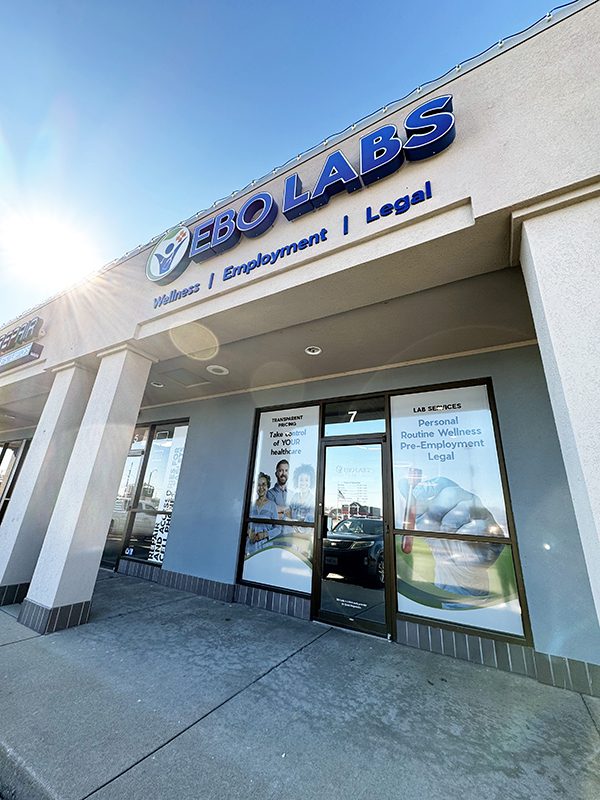
If you have ever asked yourself, do you need health insurance for primary care, you are not alone. As healthcare continues to evolve, more patients are rethinking how they access routine medical services. Traditional insurance models have long been the default, but alternatives like direct primary care are gaining attention for their simplicity and accessibility.
Do You Need Health Insurance for Primary Care Visits?
Health insurance has traditionally been viewed as the gateway to healthcare, including routine doctor visits. For many people, insurance provides access to a network of providers and helps offset the cost of care. However, it is important to understand that insurance is not the only way to receive primary care services.
Primary care typically includes preventive visits, routine checkups, basic lab work, and management of common conditions. These services are often predictable and recurring, which has led some patients to question whether a complex insurance structure is necessary for this level of care.
In recent years, patients have begun exploring alternatives that offer:
- More transparent access to care
- Fewer administrative hurdles
- Greater continuity with their provider
This shift has opened the door to models like direct primary care, which operates outside of traditional insurance systems.
How Direct Primary Care Works Without Insurance
Direct primary care, often abbreviated as DPC, is a healthcare model where patients pay a recurring membership fee directly to a provider. In return, they receive access to a defined set of primary care services without relying on insurance for those visits.
Unlike traditional models, direct primary care removes the billing relationship between the provider and third-party payers. This allows for a more streamlined experience focused on the patient-provider relationship.
Typical features of direct primary care include:
- In-office visits without co-pays or deductibles
- Access to routine and preventive care
- Coordination of additional services such as testing or procedures
- Communication with providers through phone, text, or telehealth
Some practices may also offer access to medications, including treatments like GLP-1 therapies or GLP compounds, when clinically appropriate. These may be used in medically supervised plans that include options such as a weight loss injection, always guided by a licensed provider and tailored to individual health needs.
By simplifying access and removing many of the barriers associated with insurance, direct primary care offers a different approach to everyday healthcare.
Why Some Patients Skip Insurance for Routine Care
There are several reasons why patients choose to bypass insurance for primary care services. While insurance still plays an important role in healthcare overall, some individuals find it less practical for routine needs.
Common motivations include:
- Simplified access: Patients can schedule appointments without navigating insurance approvals
- Transparent services: The scope of care is clearly defined within the membership
- Continuity of care: Patients often build stronger relationships with their provider
- Administrative ease: Fewer forms, billing codes, and claim processes
For routine care, these benefits can make the experience more straightforward. However, this approach may not be suitable for every situation, which is why understanding both advantages and limitations is essential.
Pros and Cons of Paying Out of Pocket for Healthcare
Choosing to pay out of pocket for primary care can offer flexibility, but it also comes with trade-offs. Evaluating both sides can help you make an informed decision. To get a clearer picture of what this looks like financially, it helps to understand how much the membership actually costs compared to traditional insurance.
Potential Advantages
- Direct access to care without waiting for insurance approvals
- Clear expectations regarding services included in care
- More personalized attention from providers
- Reduced administrative complexity
Potential Considerations
- Limited coverage for specialized care outside of primary services
- Responsibility for additional medical expenses beyond routine visits
- Need for separate planning for emergencies or hospital care
This approach is often best suited for individuals seeking straightforward access to primary care while maintaining awareness of their broader healthcare needs.
Cost Comparison: Insurance vs Membership-Based Care
When comparing traditional insurance with membership-based care, the key difference lies in structure rather than specific pricing.
With traditional insurance:
- Costs are typically divided between premiums, deductibles, and co-pays
- Access may depend on network restrictions
- Billing can involve multiple parties
With membership-based care:
- Services are bundled into a recurring fee
- Primary care access is direct and predictable
- There are no co-pays or deductibles for included services
It is important to note that while membership-based care simplifies primary care access, it does not replace all aspects of health insurance. Patients may still need coverage for hospitalizations, emergency care, or specialized treatments.
When Insurance Still Makes Sense
Even as alternatives like direct primary care become more popular, insurance continues to serve an important role in healthcare.
Situations where insurance may still be beneficial include:
- Emergency medical events that require hospital care
- Specialist consultations and advanced diagnostics
- Chronic conditions requiring complex treatment plans
- Unexpected or high-cost procedures
For many individuals, a hybrid approach may be worth considering. This can involve using direct primary care for routine needs while maintaining insurance coverage for larger, less predictable medical events.
Frequently Asked Questions
Can I use direct primary care without any insurance at all?
Yes, many patients choose to use direct primary care as their primary source of routine healthcare. However, it is important to consider how you would handle emergency or specialized care.
What services are typically included in direct primary care?
Services often include routine visits, preventive care, basic lab coordination, and ongoing management of common conditions. Specific offerings vary by provider.
Are medications included in direct primary care?
Some practices provide access to certain medications as part of care. This may include treatments such as GLP-1 therapies or GLP compounds when prescribed appropriately by a healthcare provider.
Is direct primary care suitable for families?
Many practices offer memberships for individuals and families. It can be a convenient option for managing routine care across multiple age groups.
How does direct primary care handle referrals?
Providers can coordinate referrals to specialists or additional services when needed, though those services may fall outside the membership.
Does direct primary care replace health insurance?
No, it is not a replacement for comprehensive insurance coverage. It is designed to complement or serve as an alternative to primary care services. Learn more about the real benefits of direct primary care and how it fits into your overall healthcare picture.
Take the Next Step Toward Simplified Healthcare
If you are rethinking your approach to healthcare and asking whether traditional insurance is necessary for your primary care needs, it may be time to explore a more direct option. EBO MD offers a membership-based healthcare model designed to simplify access to care. With in-office consultations, testing, surgery, and other procedures available without co-pays or deductibles, patients can experience a more straightforward path to managing their health.
Our approach focuses on accessibility, continuity, and patient-centered care. With simple access to direct primary care and affordable medication options, including clinically guided treatments when appropriate, better health becomes a more achievable goal.
Contact us to learn more and get started with a healthcare experience designed around you.