
When Do You Need Medical Imaging Instead of Lab Testing? Medical Imaging
When people search for medical imaging near me, they are often trying to understand whether their symptoms require diagnostic imaging or if laboratory tests are enough. Both tools play important roles in modern healthcare. Lab testing analyzes blood, urine, and other samples to evaluate chemical levels, cell counts, and markers that may indicate illness. Medical imaging, on the other hand, allows healthcare providers to visualize structures inside the body, such as bones, organs, and soft tissues.
Understanding when imaging is more appropriate than laboratory testing can help patients feel more prepared when their provider recommends additional diagnostic steps. In many situations, both approaches work together. A provider may start with lab work to evaluate general health markers and then order imaging to look more closely at specific structures or abnormalities.
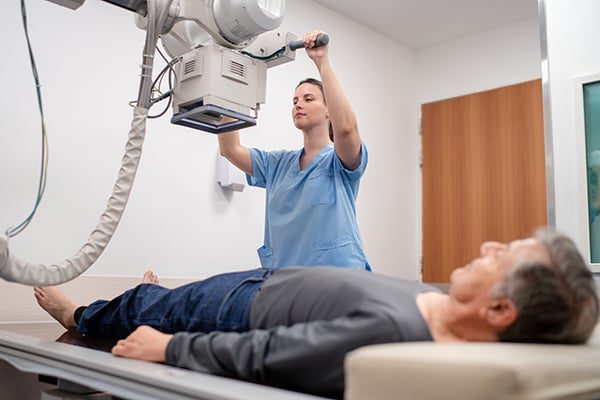
When to Look for Medical Imaging Near Me Instead of Lab Tests
Laboratory tests provide valuable information about what is happening chemically or biologically in the body. However, they cannot show structural changes or physical abnormalities. When a healthcare provider needs to see detailed images of tissues, organs, or bones, imaging may be more useful than lab testing alone.
Medical imaging may be recommended when a provider needs to:
- Evaluate injuries such as fractures, sprains, or internal damage
- Investigate persistent pain that cannot be explained by lab results
- Examine organ structure or potential abnormalities
- Assess swelling, lumps, or growths
- Monitor certain chronic conditions that affect internal organs
- Guide certain procedures or surgical planning
For example, lab work can measure markers of inflammation, but it cannot reveal whether a joint has structural damage or whether a bone is fractured. Imaging can help provide that visual context.
In some cases, providers use both diagnostic tools together. Blood tests may indicate that something abnormal is happening, while imaging helps determine the location or cause of the issue.
Medical Imaging Near Me: Common Reasons Your Provider Orders It
Healthcare providers may recommend imaging in many everyday medical situations. The decision is typically based on symptoms, medical history, and findings from a physical examination.
Common reasons a provider may order imaging include:
Injuries and trauma
If someone experiences a fall, sports injury, or accident, imaging can help evaluate possible damage. Providers may order imaging to assess:
- Broken bones
- Joint injuries
- Soft tissue damage
- Internal bleeding in certain situations
Persistent or unexplained pain
When pain lasts longer than expected or does not respond to initial treatment, imaging may help identify structural causes. Examples include:
- Chronic back pain
- Abdominal discomfort
- Joint pain or swelling
- Persistent headaches
Evaluation of organs
Imaging can help assess the size, shape, and condition of internal organs. Providers may recommend imaging to examine:
- The heart
- Lungs
- Liver
- Kidneys
- Digestive organs
Monitoring certain medical conditions
For some chronic health conditions, imaging can help monitor changes over time. Providers may use imaging to track how a condition progresses or responds to treatment.
Investigating physical findings
During an exam, a provider might detect swelling, a lump, or tenderness. Imaging may help determine what is causing the physical change.
Treatment planning
Some procedures require imaging guidance. Imaging may also be used to help plan surgical procedures by showing detailed views of the area involved.
What Types of Medical Imaging Near Me Might Be Ordered?
There are several types of imaging technologies available. Each method offers different information about the body and is selected based on the symptoms or medical concern being evaluated.
Common imaging methods include:
X-rays
X-rays are often used to evaluate bones and certain structures in the chest or abdomen. They are commonly ordered for:
- Suspected fractures
- Joint injuries
- Chest evaluations
Ultrasound
Ultrasound uses sound waves to create images of organs and soft tissues. Providers may recommend an ultrasound for:
- Evaluating abdominal organs
- Examining the thyroid
- Assessing blood flow
- Monitoring pregnancy
CT scans
Computed tomography, often called CT scanning, combines multiple X-ray images to create detailed cross-sectional views of the body. CT scans may be used to evaluate:
- Internal injuries
- Certain organ conditions
- Complex fractures
- Areas that require detailed imaging
MRI scans
Magnetic resonance imaging uses magnetic fields and radio waves to produce detailed images of soft tissues. MRI is often used for:
- Brain and spinal imaging
- Joint and ligament evaluation
- Soft tissue injuries
- Certain neurological concerns
The choice of imaging depends on what the provider needs to evaluate. In some situations, a provider may begin with one imaging method and then recommend another for additional detail.
Medical Imaging Near Me: What Results Can and Can’t Tell You
Imaging can provide important visual information about the body, but it does not always provide a complete diagnosis by itself. Understanding what imaging results can and cannot reveal helps patients interpret their provider’s recommendations.
Imaging may help identify:
- Structural abnormalities
- Changes in tissue appearance
- Fractures or injuries
- Blockages or obstructions in certain cases
- Size or shape changes in organs
However, imaging does not always explain why a change has occurred. For example:
- An image may show inflammation but not the underlying cause
- Structural changes may be visible even if symptoms are minimal
- Some medical conditions require laboratory testing for confirmation
Because of this, providers often interpret imaging results alongside:
- Physical examination findings
- Medical history
- Laboratory testing
- Symptoms reported by the patient
This combined approach helps create a more complete clinical picture.
How to Prepare for an Imaging Appointment
Preparing for an imaging appointment is typically straightforward, but instructions may vary depending on the type of imaging ordered.
Patients may receive preparation instructions when scheduling the appointment. These instructions help ensure accurate images and a smooth appointment process.
General preparation guidelines may include:
- Arriving early to complete paperwork
- Wearing comfortable clothing without metal components
- Removing jewelry, watches, or accessories before the scan
- Bringing identification and any relevant medical documents
Some imaging studies may require additional preparation.
For example:
- Certain abdominal imaging tests may require fasting for several hours
- Some scans may involve drinking contrast material
- Patients may be asked about implanted medical devices before MRI studies
If sedation or contrast material is used, providers may provide additional instructions about eating, drinking, or transportation.
Most imaging appointments are relatively quick. The imaging itself may take anywhere from a few minutes to longer, depending on the type of study and the area being examined.
Questions to Ask About Cost and Scheduling
When scheduling imaging, patients may want to ask a few practical questions. Understanding scheduling details and potential costs can help reduce confusion later.
Helpful questions may include:
- Where will the imaging be performed?
- How long will the appointment take?
- Are there preparation instructions before the appointment?
- When should results be expected?
- Will a follow-up appointment be needed to review results?
Patients may also ask whether imaging can be scheduled at the same facility where they receive primary care. In some healthcare models, diagnostic testing and consultations may be coordinated in the same location, which can simplify scheduling and communication.
FAQ About Medical Imaging
Is medical imaging always required when symptoms appear?
No. Providers determine whether imaging is necessary based on symptoms, medical history, and exam findings. In some situations, lab testing or observation may be appropriate before imaging is considered.
How long does it take to receive imaging results?
The timing varies depending on the type of imaging and the facility performing the test. A radiologist typically reviews the images and sends a report to the provider, who then discusses the findings with the patient.
Is medical imaging safe?
Different imaging methods use different technologies. Providers recommend imaging only when the information gained is helpful for evaluating a medical concern. Patients can discuss any safety questions with their provider before the exam.
Can imaging replace lab testing?
Imaging and lab testing serve different purposes. Imaging shows physical structures in the body, while lab tests analyze biological markers. Providers may use one or both depending on the situation.
Will imaging show the exact cause of my symptoms?
Imaging can reveal structural changes or abnormalities, but it may not always identify the exact cause of symptoms. Providers interpret imaging results alongside other clinical information.
Can imaging help guide treatment decisions?
In some cases, imaging helps providers better understand the condition being evaluated. This information may help guide next steps in care or additional testing.
Take the Next Step Toward Convenient, Patient-Focused Care
Access to diagnostic tools such as imaging and lab testing can make it easier to evaluate symptoms and create an effective care plan. At EBO MD, patients benefit from a membership-based healthcare model designed to simplify access to care.
EBO MD offers:
- In-office consultations with experienced providers
- Diagnostic testing and imaging coordination
- Surgical procedures and specialized treatments
- Access to medications, including therapies such as GLP-1 and other GLP compounds used in weight management programs, including weight loss injection treatments when appropriate
- Transparent care without co-pays or deductibles
With a focus on direct primary care, EBO MD helps patients access comprehensive medical services in one place.
If you are looking for medical imaging near me or want a healthcare team that prioritizes accessibility and personalized care, contact us to learn more about membership-based care and explore how EBO MD can support your health journey.